Peak Performance & Horse Shows
The summer is almost here, and with the summer comes all the things those who love horses love.
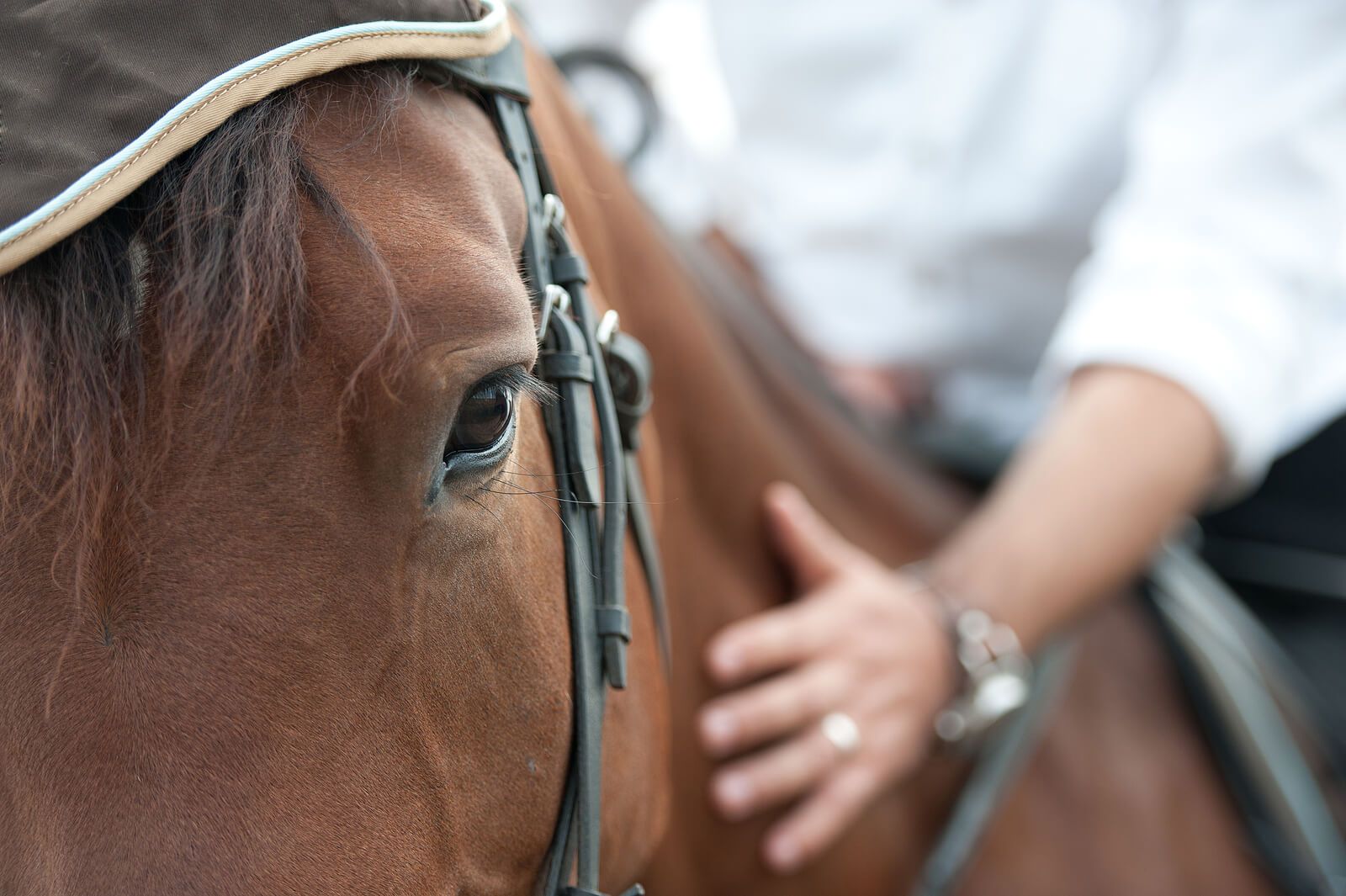 Flies and bugs! No, Horse shows!! Horse shows can be a lot of fun, friends, and some competition to see if what you have been practicing is working. Horse shows can also be very stressful. Friendly competition is generally what showing is about and seeing what you can accomplish with your horse partner. Sometimes, though we get so nervous and worried about the horse show, we forget to have fun or why we are showing, which is generally because we love horses and it is fun.
We all want to perform our best, and we want our horses to perform at their best. If we are overly anxious, worried, or stressed, we are likely not to ride our best. But imagine the possibilities if we could transition from fear to flow. We could unlock our true potential, ride with confidence, and enjoy the experience to the fullest. So, how do we make this shift?
In this article, I will not only discuss the concept of transitioning from fear to flow but also provide practical tips and strategies to help you achieve this in your horse shows.
Horse shows ask for peak performance from both the horse and the rider, requiring physical skill, mental focus, and emotional regulation. Listed below are some ideas that may be helpful.
Preparation and Training:
Consistent training and preparation are the backbone of success in horse shows. It’s not just about the event, it’s about the journey. Riders should ensure that they and their horses are adequately trained in their respective disciplines, including jumping and dressage. Regular lessons are not just about refining skills, they are about building confidence and a strong foundation for success. Let’s commit to this journey of preparation and training.
Goal Setting:
Set clear and realistic goals for each horse show, whether achieving a particular task, mastering a specific skill, or placing in a particular class. Using the SMART system (S= specific M= measurable A= achievable R=relevant T= time-based) can help make it more achievable.
Physical Fitness:
In the demanding world of horse shows, maintaining physical fitness and flexibility is not just a suggestion; it’s a necessity. Regular exercise and conditioning programs are crucial to developing strong core muscles, balance, and coordination, which are particularly important for riding effectively and maintaining stability in the saddle. We often think that riding alone is enough; however, supplemental weight training, yoga, or cardio significantly affects how fit we are when we ride.
Nutrition and Hydration:
It’s funny how riders worry and focus a great deal on their horse’s nutrition and then forget that we need good hydration and nutrition. Fuel your body with nutritious foods and stay hydrated before and during the horse show. Proper nutrition and hydration support optimal physical and cognitive functioning, helping riders maintain energy levels and mental alertness throughout the competition.
Warm-Up Routine:
Develop a structured warm-up routine for the rider and the horse to prepare them mentally and physically for the competition ahead. Warm-up exercises should focus on loosening muscles, establishing communication between rider and horse, and practicing essential skills. This is also a perfect time to create a ritual or something you will do every time you enter the ring to perform. This can be simple, such as halting and taking a deep breath or halting and backing up for three steps. If done enough, this action will let your brain know that you need to focus on this event, and it is time to do it.
Focus on the Present Moment:
 Stay focused on the present moment and avoid dwelling on past mistakes or worrying about future outcomes. Concentrate on executing each movement or obstacle precisely and clearly, trusting in your training and preparation. This can be so much harder than it sounds. I had a trainer once who would remind me to ride the horse underneath, not the one I had last week. This means responding to the now and not thinking about last week or the last ride or what might happen.
Adaptability and Resilience:
Be prepared to adapt to unexpected challenges or changes in the competition environment, such as weather conditions, unfamiliar surroundings, or equipment malfunctions. Cultivate resilience and problem-solving skills to overcome obstacles and stay on track. Being present will make this one more accessible. If you are present and riding what is underneath you, being able to adjust and change will be easier than if you are constantly thinking about what might happen. Horses also have brains; sometimes, they will see things or do things that we are not expecting, but they look to us for support and guidance, and if we are focused and present, this will be easier.
Positive Reinforcement:
Acknowledge and celebrate small victories and achievements throughout the competition, regardless of the final outcome. Positive reinforcement boosts confidence and motivation, reinforcing the rider’s sense of progress and accomplishment. Focusing on the journey also makes this easier. We sometimes get so focused on what is ahead of us that we forget how far we have come. If we focus and celebrate all the accomplishments, particularly the small ones, we can sometimes more easily see how far we have come.
Reflect and Learn:
After each horse show, reflect on your performance, identifying strengths, areas for improvement, and lessons learned. Use this feedback to adjust your training regimen, set new goals, and continue evolving as a rider. Discussing the show’s results with your trainer or fellow rider can help you recognize the areas to improve and those that have improved. It can help balance any opposing thoughts or frustrations you may think you had at the show. We are almost always our worst critic.
It is important to remember that to ride at our best level, we want to have energy and focus.
Being relaxed like you have had a massage is not the goal for the show, nor is being so tight that we cannot function. So, creating and practicing strategies to help bring that focus and energy upfront is ideal.
Visualization is a great skill to practice and develop, as our brain does not recognize the difference between visualization and performing the exercise. So if you visualize your ride going exactly as you want, your brain thinks you are doing it. Visualization will make the actual exercise much easier because the brain has practiced it and created a neuropathway that will allow us to do it more easily. Each time you visualize or perform the exercise, you add to that superhighway and make it faster and faster.
Creating a mantra is also very helpful in making the energy and focus needed for shows.
A mantra is something we can repeat to ourselves that tells us to focus on the task at hand or reminds us of our skills. Creating an easily remembered saying and projects the feeling you want is the key. It can be simple: “I got this,” “Up and over,” or “Determined and focused,” as long as when you say it brings up the positive things and energy you want to compete.
Mindfulness allows us to return to the present moment and be aware of our surroundings and how we are interacting. Reminding ourselves to come back and focus on what is going on now is key. If we are focused on the present, we will be able to do the task at hand in the manner we want.
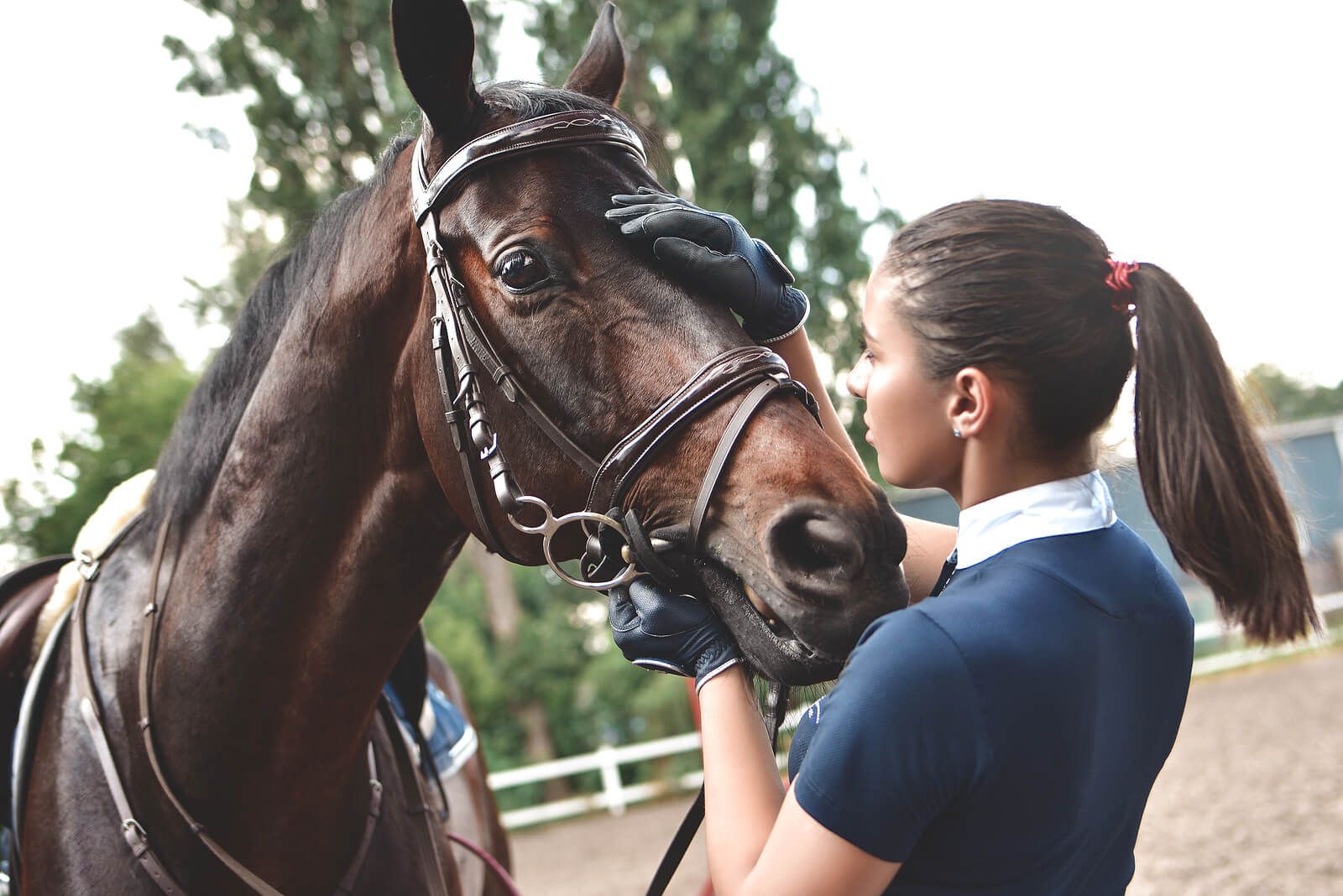 Horse shows are supposed to be fun, and having a horse is supposed to bring us joy. This is very important to remember, and if we are not enjoying our horse or the shows, then a reassessment is needed.
If any of this sounds familiar, a free 15-minute call is a good place to start. Get in touch.