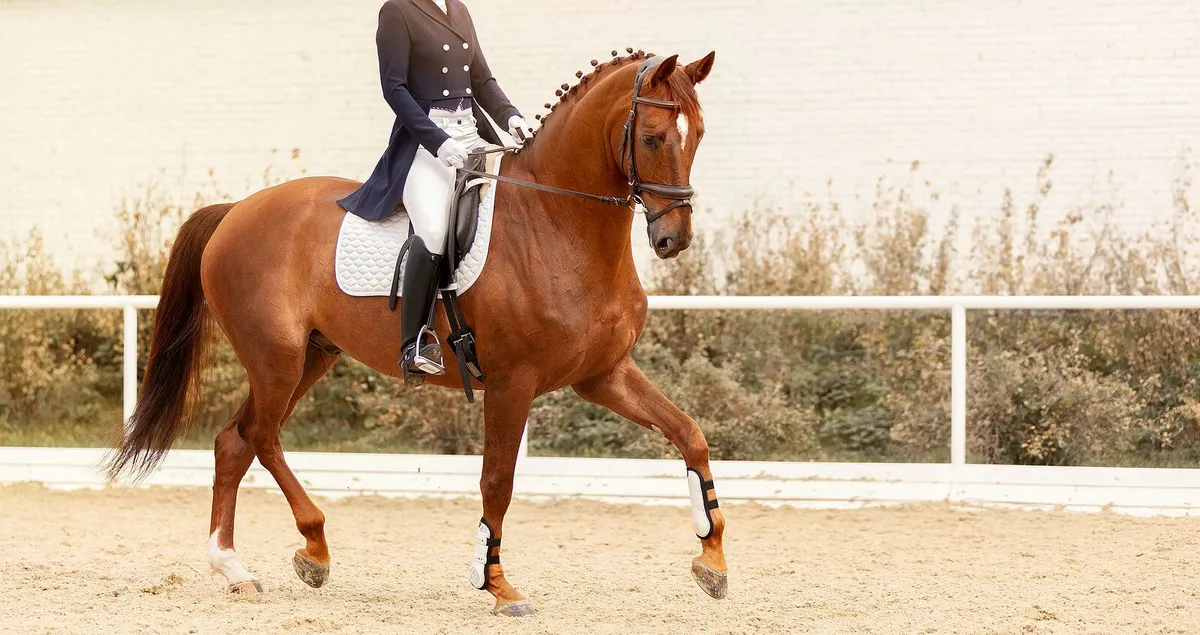
Mental Preparation for Equestrians: Getting Ready for Show Season After Winter Break
After a long winter break, stepping back into the competitive equestrian scene can feel both exciting and daunting.
 While physical training is crucial, mental preparation is just as important, if not more. Confidence, focus, and a positive mindset play a significant role in competition success.
Whether you’re a seasoned competitor or a first-time exhibitor, getting your mind in the right place will help you perform at your best and enjoy the journey. This guide will walk you through essential strategies to mentally prepare for the upcoming show season after winter break.
Setting Goals and Creating a Clear Vision
Before jumping into competitions, it’s important to set clear goals that will keep you motivated and focused throughout the season.
Define Your Goals
Be specific: Instead of just saying, “I want to do well this season,” set measurable objectives like, “I want to score above 65% in my dressage tests” or “I want to jump a clean round at 1.10m.”
Set short-term and long-term goals: Short-term goals (e.g., improving transitions or maintaining a consistent pace) build momentum toward long-term success (e.g., qualifying for championships).
Keep goals realistic: Ensure your ambitions match your current skill level and experience.
Visualization: Seeing Success Before It Happens
Picture yourself riding the perfect round or test. Imagine every detail, from entering the ring to your final salute. Visualizing success helps train your brain to stay calm and focused under pressure. Do this daily, before training rides, before bed, or even before stepping into the show ring.
Overcoming Competition Anxiety and Ring Nerves
Many equestrians struggle with show-day nerves, but learning how to manage them can make a huge difference in performance.
Identify Your Triggers
What causes your anxiety? Is it the fear of failure, forgetting a test, or making mistakes? Recognizing what makes you nervous allows you to create strategies to overcome it.
Breathing and Relaxation Techniques
Deep breathing exercises (inhale for four counts, hold for four, exhale for four) help calm the nervous system. Practice mindfulness by staying present in the moment instead of worrying about what could go wrong. Progressive muscle relaxation (tensing and releasing muscles) helps release physical tension before a competition.
Developing a Pre-Show Routine
Create a consistent warm-up plan that keeps you focused and relaxed. Listen to calming music, repeat affirmations, or do a short meditation before heading to the ring. Avoid last-minute cramming, trust the work you’ve put in during training.
Cultivating Confidence and Positive Thinking
Confidence is key to performing well in any sport. It’s not just about skill, it’s about believing in your ability to handle challenges.
Build Mental Resilience
Accept that mistakes will happen. Instead of fearing them, view them as learning opportunities. Focus on progress, not perfection. Even top riders continue refining their skills. Keep a journal to track improvements, both big and small. Recognizing growth builds confidence.
Use Positive Self-Talk
 Replace negative thoughts like “I’m not good enough” with “I am capable and prepared.”
Remind yourself of past successes, whether it’s mastering a difficult movement, achieving a personal best, or handling a tough situation in the ring. Post motivational quotes or affirmations in your tack room, locker, or phone wallpaper to reinforce positive thinking.
Surround Yourself with Supportive People
Train with a coach who encourages and challenges you. Lean on friends, family, and barn mates who uplift you. Avoid negativity, whether it’s self-doubt or criticism from others.
Managing Pressure and Expectations
Show season can bring high expectations from trainers, parents, or even yourself. Learning to manage these pressures ensures that competition remains enjoyable rather than stressful.
Separate Your Self-Worth from Results
A bad round or a low score does not define you as a rider. Shift focus from winning to improving, each show is a chance to gain experience. Recognize that even elite riders have off days.
Control What You Can, Let Go of What You Can’t
You can’t control the weather, judge’s preferences, or other competitors. Focus on what’s within your power: preparation, attitude, and how you handle challenges. Develop resilience, adapt to unexpected situations rather than letting them shake your confidence.
Practicing Mental Preparation in Training
Mental toughness isn’t built overnight, it requires consistent practice, just like physical riding skills.
Simulate Show Conditions in Practice
Ride in different arenas or environments to expose your horse to new settings. Practice your test or course as if you’re in the show ring, complete with a timer or a “judge.” Wear show attire during practice rides to get comfortable in competition clothing.
Work on Mental Endurance
Train your brain to stay focused for extended periods. If you lose focus mid-ride, train yourself to reset and re-engage rather than get frustrated. Develop a “next fence, next movement” mindset, if something goes wrong, immediately move forward instead of dwelling on it.
Handling Setbacks and Staying Motivated
Not every show will go perfectly, and that’s okay! Learning how to handle setbacks is a crucial part of growth.
Review and Learn from Every Show
After each competition, assess what went well and what needs improvement. Watch videos of your rounds or tests to analyze strengths and weaknesses. Ask your coach for feedback and actionable tips.
Avoid Burnout
Balancing training and downtime is key. Overworking yourself or your horse can lead to mental and physical exhaustion. Take breaks when needed. Sometimes, a fun hack or a day off helps reset the mind. Remember why you started, stay connected to the joy of riding.
Stay Inspired
Watch top riders compete to learn from their techniques and mental composure. Read books or listen to podcasts on sports psychology and equestrian mindset. Keep a vision board with images of your goals, dream competitions, and favorite moments.
Final Thoughts
 Preparing for show season after winter break isn’t just about getting your horse fit, it’s about strengthening your mindset. A focused, confident, and resilient rider will always have an edge in competition.
By setting clear goals, managing nerves, building confidence, and maintaining perspective, you can step into the show ring feeling prepared and positive. Each competition is a stepping stone in your journey, embrace the process, learn from every experience, and most importantly, enjoy the ride!
If any of this sounds familiar, a free 15-minute call is a good place to start. Get in touch.